

History is scattered with instances where technological advances have prompted debates in homes, schools, and offices. In the late 1800s, when telephones were first introduced, concerns arose about whether they would interfere with office relations and whether clients would prefer a face-to-face conversation rather than a phone call. Television caused a similar controversy as scientists and families debated whether screen time would create a generation of couch potatoes who could no longer think or communicate. So, the current dilemma over a more modern “screen time” that includes television, smartphones, tablets, is really nothing new. Yet, the debate rages on: Is screen time bad or good for children?
“We found that parental concern about placing limits on ‘screen-time’ was far higher than concern about the nature of the content their kids were engaging with,”“Instead of worrying about a set time-limit, I’d encourage parents to think: are they learning? Is it helping them engage with their world?”
– Dr. Alicia Blum-Ross
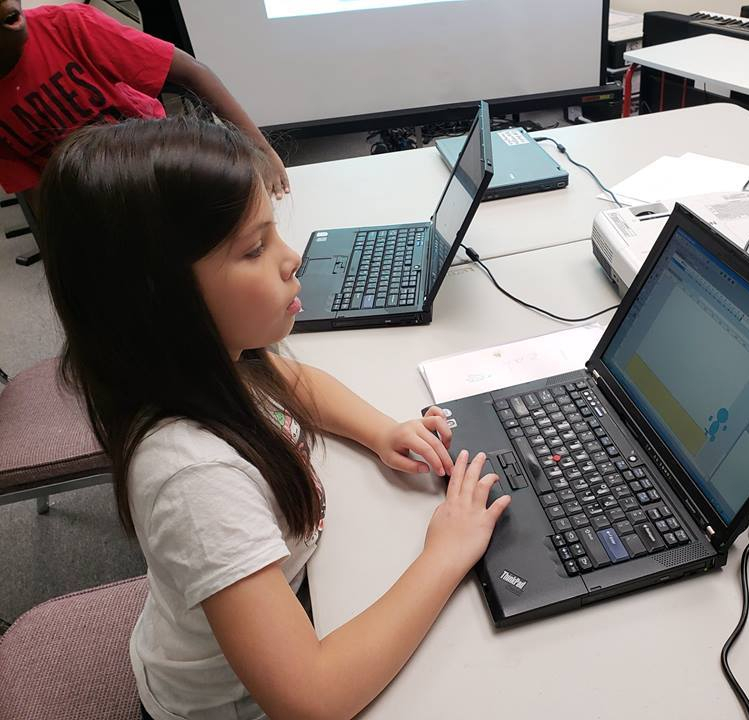
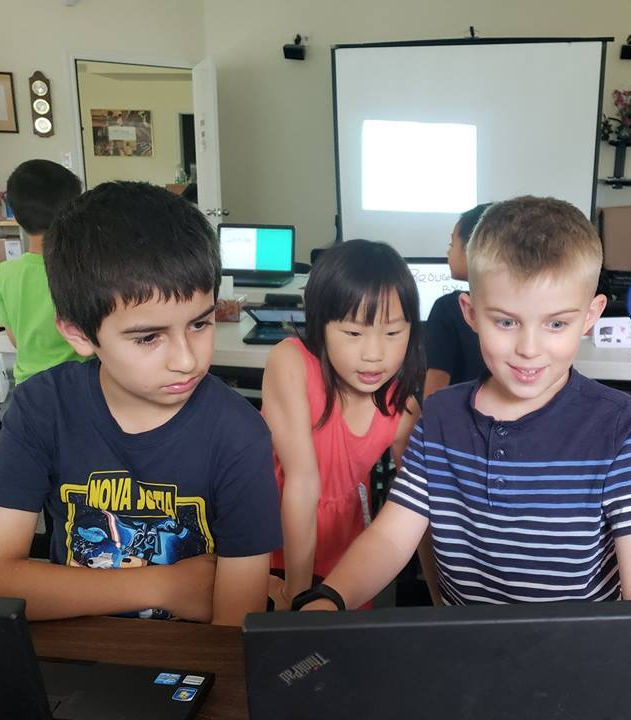

In a study by the Education Development Center and the Ready To Learn Initiative found that a curriculum that involved digital media such as video games helped improve early literacy skills when paired with strong teacher involvement. Kids between the ages of 4-5 who participated showed increases in letter recognition, sounds association with letters and understanding basic concepts about stories and print.
Back in 2013, a landmark study by the University of Oxford’s Department of Engineering Science predicted that 47 per cent of all current jobs could be automated within two decades. If we want children to grow up programming the robots, not being replaced by them, we need to school them in digital literacy.
One of Kidzwhiz’s main goals is to help transform children from not just consumers of technology, but to creators of technology. That entails teaching them how to use it as a tool to exercise their creativity, connect with the world around them and learn valuable skills they will carry into their future in our technologically advancing society. There is a significant difference, between what happens inside your child’s mind while they play Angry Birds compared to when they are learning about coding via a robot or computer. Our programs are designed to teach students how to think critically about the technology, and be able to visually see the results that they produce, whether its in the form of a robot, website, or video game. Our courses help to create a bridge between the digital and physical worlds. Since children are likely to grow up in one where the distinction between the two is blurred, perhaps that is not a bad thing.
– Priyanka Raswant
“When I’m feeding our son, I’m thinking about the nutrition he’s getting out of each meal. When we approach screen-time for him, that ethos translates. Instead of what’s good for his body, I’m thinking about what’s good for his mind.”
Sources:

https://www.brookings.edu/blog/education-plus-development/2019/02/06/screen-time-for-children-good-bad-or-it-depends/
https://www.telegraph.co.uk/family/parenting/dont-panic-screen-time-can-good-kids/
http://www.chilldad.com/ten-great-things-about-screentime/
 Kidzwhiz Blog